Pickleball injury statistics from ~100 hospitals
31,515
pickleball players went to a US emergency room in 2025.
Our analysis of federal emergency room records. Scroll through how fast it grew, who gets hurt, how, and where.

Hospital visits climbed
2.8x
since 2019
ER visits went from about 11,300 in 2019 to 33,100 in 2024, then dipped to 31,500 in 2025.
31,515 visits in 2025. 62% were 60 and over.
The share of players 60 and over fell from 88% to 62% as younger people took up the game. The number of older players still doubled.
60 and overUnder 601 ball = 10 visits
| Year | ER visits | 60 and over | Share |
|---|---|---|---|
| 2019 | 11,269 | 9,908 | 88% |
| 2020 | 9,051 | 7,455 | 82% |
| 2021 | 15,145 | 11,642 | 77% |
| 2022 | 17,456 | 13,514 | 77% |
| 2023 | 25,366 | 17,798 | 70% |
| 2024 | 33,116 | 19,506 | 59% |
| 2025 | 31,515 | 19,460 | 62% |

62of 100
were 60 or older
Of every 100 pickleball ER visits in 2025, 62 were players 60 and over. 55% were men.
Before the boom it was even more lopsided. Weiss et al. (2021) found over 85% of cases from 2010 to 2019 were 60 and over. That's the ghost line.
| Age | Share | Of 100 |
|---|---|---|
| Under 18 | 4.3% | 4 |
| 18 to 49 | 20.6% | 21 |
| 50 to 59 | 13.4% | 13 |
| 60 to 69 | 31.6% | 32 |
| 70 to 79 | 23.3% | 23 |
| 80 and over | 6.8% | 7 |

42%
went because of a fall
A fall is mentioned in 42% of visits. The older the player, the more often it's a fall, and the more often they're admitted.
55%fell and 25%were admitted, ages 70 and over.
Head injuries are 12% of visits, and 80% of those followed a fall.
FellAdmitted100 dots = 100 visits
| Age | Involved a fall | Admitted |
|---|---|---|
| Under 50 | 18.5% | 3.9% |
| 50 to 59 | 36.3% | 5.9% |
| 60 to 69 | 48.8% | 13.2% |
| 70 and over | 55.2% | 24.8% |

1 in 5
weren't an injury
They went in for chest pain, fainting, dehydration, or cardiac arrest.
16% of all visits weren't injuries at all: chest pain, fainting, dehydration, cardiac arrest. For players 60 and over it's 1 in 5.
All 6 deaths in the sample came after a sudden collapse on court, most recorded as cardiac arrest. That's too few to estimate a national number.
Know where the AED is. Courts with a defibrillator nearby, and players who know CPR, save lives.

26%
of injuries were fractures
Among actual injuries, 26% were fractures and 23% sprains or strains. The ball below is every visit, split by diagnosis.
21.7%of all visits were fractures.
- Other (mostly non-injury and pain)33.9%
- Fracture21.7%
- Sprain or strain19.2%
- Internal head injury8.7%
- Bruise or scrape5.1%
- Cut4.3%
- Dislocation3%
- Everything else4.1%

9.5%
The wrist
It's the hand you put out to break a fall. 9.5% of all visits were the wrist.
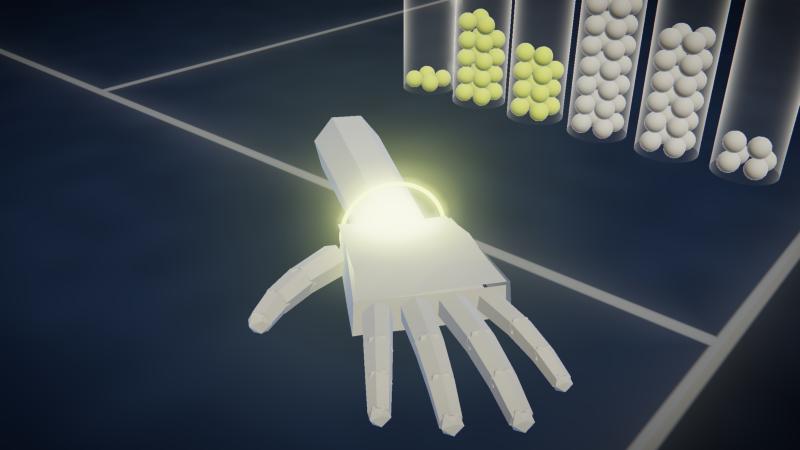
Every body part
The wrist is fourth. Chest, head and lower leg come first, and the chest is mostly non-injury visits like chest pain.
- Chest12.7%
- Head12.3%
- Lower leg10.8%
- Wrist9.5%
- Low back and hip9.4%
- Knee6.5%
- Ankle6.3%
- Shoulder5.4%
- Face4.1%
- Eye2.1%
Lower leg strains are 6% of visits, and 3 in 4 of them are men. The Achilles alone is 4%.
Methodology
The National Electronic Injury Surveillance System (NEISS) collects records from a sample of about 100 US hospital emergency departments. Each record has a weight that turns the sample into a national estimate.
- We kept every 2019 to 2025 case whose description mentions pickleball, misspellings included, and removed non-sport matches like pickle jars. That's 2,716 sample cases, 1,816 of them from 2023 to 2025.
- The age shares are for 2025 alone. Other breakdowns (falls, admissions, injury types, body parts) pool 2023 to 2025 for stable numbers.
- Falls count when the record mentions a fall, trip, slip or loss of balance. Non-injury visits are cases coded "other" for the chest or whole body, which we spot-checked.
- ER visits only, so urgent care and doctor visits aren't counted. Cases that don't mention pickleball are missed, so these are likely undercounts. No confidence intervals were calculated.
How does that compare with golf, basketball or other racquet sports? See pickleball against 21 other sports.
Citing this page. Use these numbers with a link. Suggested credit: Racket Recovery analysis of CPSC NEISS data, 2019 to 2025, racketrecovery.com/pickleball/injury-statistics/
Where does it hurt?
Most of these visits started with a fall, or a strain that had been building for weeks. Find yours: whether you can keep playing, how long it takes, and what actually helps.
Quick answers
How many pickleball injuries are there each year?
An estimated 31,500 people went to a US emergency room after playing pickleball in 2025, up from about 11,300 in 2019. That counts emergency room visits only. Injuries treated at urgent care, a doctor's office or physical therapy are not included, so the total number of injuries is higher.
Who gets hurt playing pickleball?
Players aged 60 and over made up about 62% of pickleball emergency room visits in 2025. That share is falling as younger people take up the sport: it was about 88% in 2019.
What is the most common pickleball injury?
Falls are the most common cause. A fall is mentioned in 42% of pickleball emergency room visits, and in about half of visits by players over 60. Fractures and sprains or strains are the most common injury types, and wrist fractures are the most common single injury.
Is pickleball dangerous for seniors?
Most pickleball emergency room visits by older players are treated and sent home, but the risk rises with age. About 25% of visits by players 70 and over ended in a hospital admission, compared with about 5% for players under 60. Falls, and heart problems on court, are the main concerns.
Do people have heart attacks playing pickleball?
Some do. About 1 in 5 emergency room visits by pickleball players over 60 were not injuries but chest pain, fainting, dehydration or cardiac arrest. Every death in the 2023 to 2025 sample followed a sudden collapse on court, most recorded as cardiac arrest. Courts with a defibrillator (AED) nearby, and players who know CPR, can save lives.
Why do women get more wrist fractures in pickleball?
About 82% of pickleball wrist fractures seen in emergency rooms were in women. Wrist fractures usually happen when you put a hand out to break a fall, and bone thinning after menopause makes the wrist more likely to break.